Unveiling the World of Non-Human Identities: Therians, Furries, and Otherkin Explained
In an increasingly interconnected world, where digital platforms foster unique communities and avenues for self-expression, terms like "Therians," "Furries," and "Otherkin" have emerged into mainstream consciousness. For many, these concepts remain a source of confusion, misconception, or even curiosity. A common question that arises is, "¿Que Son Los Therians?" – what exactly are Therians, and how do they differ from similar-sounding identities? This article aims to clarify these distinctions, offering a comprehensive look into these fascinating subcultures and fostering a deeper understanding.
Far from being mere fads or simple costume play, these identities often represent profound internal experiences, creative outlets, and significant communities for the individuals involved. While they may share superficial similarities, their core meanings and motivations are distinct. Let'p journey into understanding the unique characteristics of each.
Therians: A Deep Internal Connection to the Animal Kingdom
At its heart, being a Therian involves an intense, often profound, internal identification with a non-human animal. This isn't about *liking* animals or wishing to be one; it's about experiencing an innate sense of being an animal on a fundamental, psychological, or spiritual level. For a Therian, this identification is not a choice but an inherent aspect of who they are, often described as their "theriotype."
What Defines a Therian?
- Internal Identification: Therians experience a deep, psychological, or spiritual connection to an animal. This means they feel, on some intrinsic level, that they are that animal. It's an internal identity, not an external performance.
- Real Animals Only: A key differentiator for Therians is their identification with real animals that exist or once existed on Earth (e.g., wolves, foxes, domestic cats, prehistoric species).
- Not a Denial of Human Biology: Crucially, Therians do not deny their human biology or physical form. They understand they are human, but their internal experience aligns with that of an animal. This can manifest in various ways, from phantom shifts (feeling non-existent animal limbs) to mental shifts (a change in mindset mimicking their theriotype).
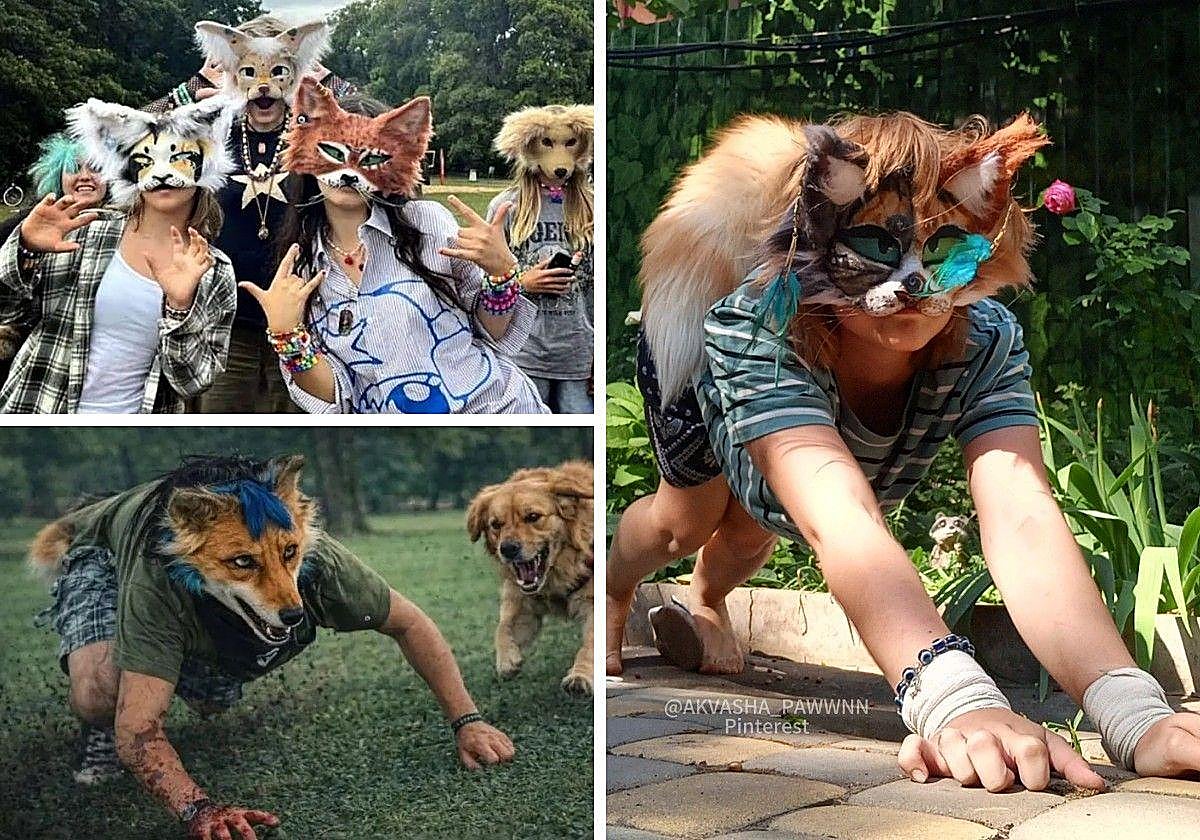
- Expression and Community: While the identification is internal, expression is often external. This can involve creating detailed, handcrafted masks and accessories, practicing "quadrobics" (animal-like movements on all fours), or simply embodying certain traits of their theriotype. These expressions are not just for show; they are vital for expressing identity and finding belonging within a community. Platforms like TikTok have become powerful spaces for Therians to share their experiences, find "packs" (groups that offer mutual support and understanding), and express their athleticism and creativity visually.
- Origins and Evolution: The term "Therian" isn't new; it emerged from online forums in the 1990s. Its recent surge in popularity, especially among younger generations, highlights the power of social media to connect individuals with shared, unique identities. It's a testament to how the internet facilitates self-discovery and the formation of supportive communities.
It's important to note that Therianthropy is not a monolithic experience. For some, it's a constant, deep-seated identity, while for others, it's a way to explore personality, creativity, and connection to nature. Assuming all Therians "believe they are animals" or "want to live as animals" based on online content is a misunderstanding of a diverse and nuanced identity.
Furries: Creativity, Fandom, and Anthropomorphic Art
The Furry Fandom is an entirely different phenomenon, though it often gets mistakenly lumped in with Therians. Unlike Therianthropy, which centers on internal identification, the Furry Fandom is primarily a creative community centered around anthropomorphic animal characters.
Key Characteristics of Furries:
- A Fandom, Not an Identity: Furries are part of a subculture or fandom, much like fans of science fiction, anime, or gaming. It's a shared interest, not an inherent identity.
- Anthropomorphic Characters: The core of the Furry Fandom is an appreciation for and creation of anthropomorphic (human-like characteristics, emotions, and intelligence) animal characters. These characters, often called "fursonas," are original creations of the individuals.
- Creativity and Fun: Participation in the Furry Fandom is driven by fun, creativity, and social interaction. Artists create illustrations, writers craft stories, and performers bring their fursonas to life through elaborate costumes known as "fursuits."
- No Internal Identification: A crucial distinction: Furries do not internally identify as animals. They know they are human, and their fursona is a character they've created or adopted, a form of self-expression or an alter ego, but not an innate self.
- Community and Conventions: The fandom thrives on community, with online forums, art exchanges, and large-scale conventions where members gather to socialize, showcase their artwork, and wear their fursuits.
While both Therians and Furries might wear animal-themed gear, the *reason* behind it is fundamentally different. For a Therian, it's an expression of an internal truth; for a Furry, it's a creative expression within a fandom.
Otherkin: The Broad Spectrum of Non-Human Identities
The term "Otherkin" serves as an umbrella category that encompasses individuals who identify as non-human beings. While Therians fall under this umbrella (specifically identifying with real animals), Otherkin broadens the scope significantly.
What Makes Someone Otherkin?
- Identification with Mythical or Fictional Beings: Otherkin identify as non-human beings that are often mythological, fantastical, or even fictional. This can include dragons, elves, fairies, angels, demons, vampires, aliens, or even specific fictional species.
- Internal and Deep-Seated: Like Therians, the identification for Otherkin is internal, psychological, or spiritual. It's a deep-seated feeling that their true self, or soul, is not fully human.
- Diverse Expressions: Expression among Otherkin is as diverse as their identities. It can involve spiritual practices, artistic creation, lifestyle choices, or simply a private, internal acknowledgment of their non-human nature.
- Overlap with Therianthropy: Therianthropy is often considered a subcategory of Otherkin. The key difference is the nature of the identified being: Therians identify with real animals, while Otherkin can identify with *any* non-human entity, real or imagined.
Therefore, while all Therians could be considered Otherkin, not all Otherkin are Therians. This broader category highlights the vast spectrum of identity beyond conventional human classifications.
Differentiating the "Kin": Key Distinctions at a Glance
To summarize the core differences between these three often-confused groups, let's look at their defining characteristics:
| Category | Core Aspect | Type of Identification | Key Motivation |
|---|---|---|---|
| Therians | Internal identification with a real animal. | Psychological, spiritual, innate. | Self-discovery, identity expression, community. |
| Furries | Fandom/interest in anthropomorphic animal characters. | Creative, social, hobby-based. (No internal identification) | Creativity, entertainment, social interaction. |
| Otherkin | Internal identification with mythical, fantastical, or fictional beings. | Psychological, spiritual, innate. | Self-discovery, identity expression, spiritual journey. |
Addressing Common Misconceptions
One prevalent myth, especially surrounding Therians, is the fabrication of "litter boxes in schools" for students who identify as animals. This rumor has been widely debunked by numerous media outlets and educational authorities. Such falsehoods not only misrepresent these communities but also contribute to an environment of prejudice and misunderstanding.
It's crucial to approach these topics with an open mind, recognizing that human identity is complex and diverse. These communities, far from being a threat, often provide crucial spaces for individuals to find belonging, express themselves authentically, and navigate a world that doesn't always understand them.
Fostering Understanding and Respect
Understanding the nuances between Therians, Furries, and Otherkin is more than just academic; it's about fostering a culture of empathy and respect. In a world that often struggles with different forms of identity, recognizing and validating these experiences is vital for building inclusive communities.
Tips for Respectful Engagement:
- Educate Yourself: Take the time to learn about these communities from reliable sources. Avoid relying on sensationalized media or unsubstantiated rumors.
- Listen Actively: If someone shares their identity with you, listen without judgment. Their experience is valid, even if it's unfamiliar to you.
- Use Preferred Terminology: Respect how individuals refer to themselves and their identities. If unsure, politely ask.
- Challenge Misinformation: When you encounter myths or harmful stereotypes, gently correct them with accurate information.
- Focus on Shared Humanity: Regardless of their internal or creative identities, everyone deserves respect and dignity.
Conclusion
The journey to understand Therians, Furries, and Otherkin reveals a rich tapestry of human experience, creativity, and self-discovery. While they may appear similar on the surface due to their connections to non-human forms, their underlying motivations and definitions are distinct: Therians hold an internal, intrinsic identification with real animals; Furries engage in a creative fandom centered on anthropomorphic characters; and Otherkin encompass a broader spectrum of internal identification with mythical or fantastical beings. As society evolves, so does our understanding of identity. By clarifying these distinctions and promoting a culture of respect, we can better appreciate the incredible diversity of human expression and foster more inclusive communities for all.